
About
The Women’s Art Register is Australia’s only living archive of women’s art practice. Established in 1975, we are an artist-run resource and community dedicated to preserving and promoting the practices of women and gender diverse artists. Through innovative programming, feminist publishing and advocacy activities, we grow our archive and support access to underrepresented art histories.
-
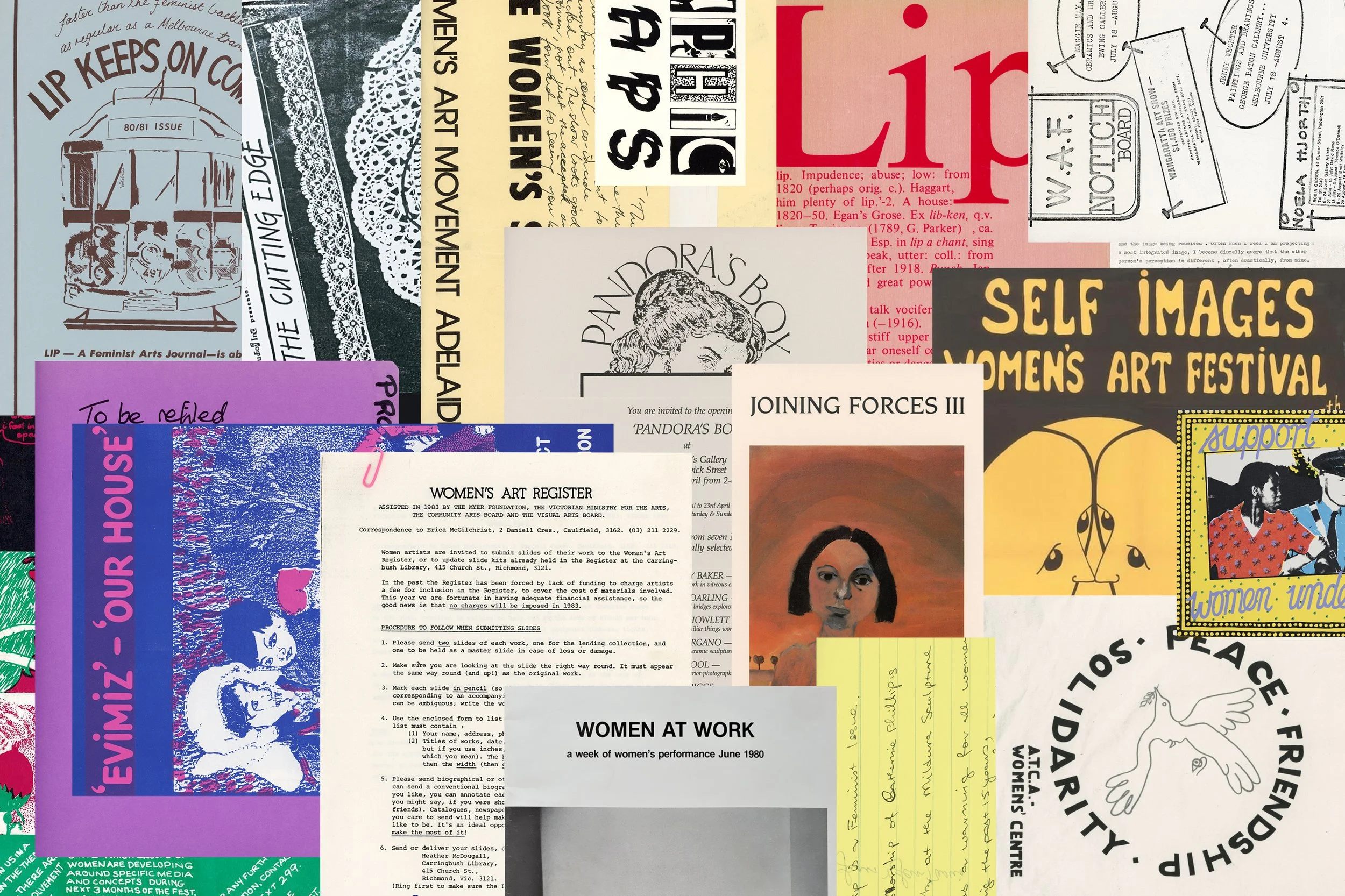
The archive holds documentation of the work of over 5,000 historical and contemporary women and gender diverse artists. This includes slides, digital images, biographies, catalogues, room sheets, promotional material, reviews, education kits, artist books, posters, journals and more. We also have a large library of feminist magazines and seminal texts, monographs and other related publications. We do not collect original artwork.
We have an open and inclusive policy of collecting items from all artists who identify as women or gender diverse.
The archive is open to the public by appointment and provides free access and research services to anyone interested in art history or contemporary practice.
-
Our values:
We care for the archive and for each other
We respect our volunteers and members
We are building a sustainable future
We amplify the voices of women artists through research and advocacy
We facilitate social equity and improve access to the collection through innovative community programming
Our vision is that Australian women artists and their work are studied, celebrated, valued and represented fully and equally.
Our mission is to be Australia’s peak resource for advocacy, education, knowledge and support for women artists.
-
The Women’s Art Register is led by a voluntary committee of artists and industry peers and supported by volunteers and members. Our membership is open to anyone interested in supporting women’s art practice.
-
We work with a range of community, government, institutional and private partners. We value our long-held partnerships with the City of Yarra and the University of Melbourne, as well as our collaborations with local, national and international arts and feminist organisations and collectives.
-
If you would like to know more about the Women’s Art Register get in touch or check out our frequently asked questions section.
Add to the archive
We encourage you to submit documentation of your creative practice into our archive. We do ask that you become a member of the Women’s Art Register first, as this helps us financially support the time and materials required.
Our collections are accessed by artists, researchers, curators, students and arts workers for research, education programs, exhibitions and other projects.
Who can submit?
There is no strict criteria for submitting material to the Register. If you identify as a woman or gender diverse artist and see worth in the inclusion of your work, we support that through collaborative archival practices and the industry expertise of our volunteers.
This challenges both the limitations of institutional archives and traditional definitions of art, and safeguards ephemera and the documentation of works created in the past, present and future.
Note: if you don’t have items from your own practice to submit, but do have ephemera or books that relate to other relevant artists or practices, please get in touch with us here. We are always interested in adding to our existing files and library collection.
Meet the team
-
![]()
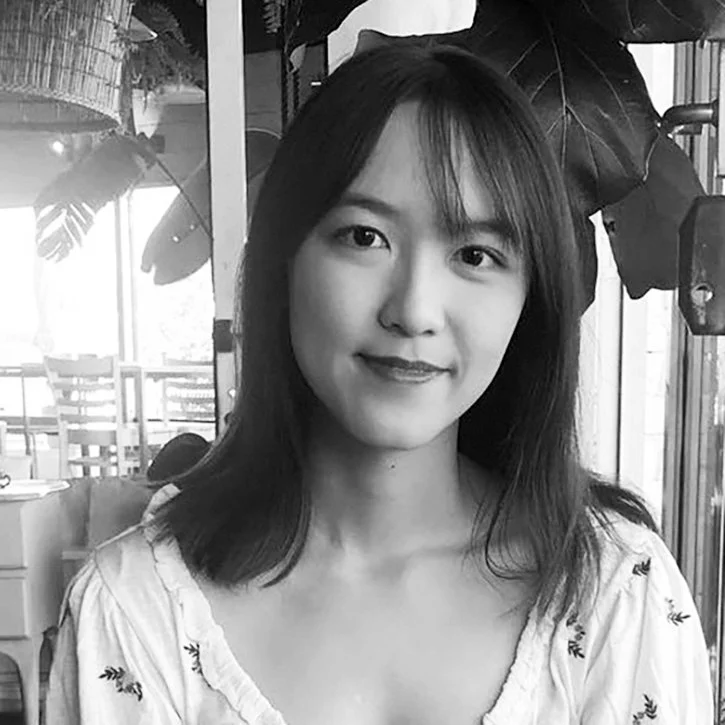
Annabell Lee
Communications
Annabell Lee is an emerging curator with a Master of Art Curatorship from the University of Melbourne. Her work focuses on public exhibitions and cultural preservation, with a strong interest in documenting and presenting underrepresented voices. She has collaborated with artists and curators in Unseen, the 50th Anniversary exhibition for Women’s Art Register, What is Given at George Paton Gallery and interned at VMG Art Series, assisting with rotational exhibitions.
At the Women's Art Register, Annabell works on communications coordination, stakeholder engagement, archive digitisation and curatorial projects. She also works with Heide Museum of Modern Art and various cultural events, bringing a practical and methodical approach shaped by her Bachelor of Mechanical Engineering from the Hong Kong University of Science and Technology.
-
![]()
Beatrice Tsa
Grants and Membership
Beatrice works in grantmaking, supporting community-led and grassroots initiatives. She is particularly interested in projects that engage communities in multidisciplinary approaches. She is especially drawn to the role of art in fostering connection and participation.
She holds a Master of Art Curatorship from the University of Melbourne and a Bachelor of Arts in Culture and Heritage Management from the City University of Hong Kong. Before relocating to Melbourne in 2022, she worked across the arts sector in Hong Kong as an assistant producer and arts administrator at local theatres, and later in a commercial gallery in Melbourne.
Alongside her work, her creative practice centres on floral arrangement, a recently developed practice where she works with flowers and natural materials to explore form and spatial composition through installation and exhibition making.
Since joining W.A.R., she has supported grant applications and explored new funding opportunities to strengthen W.A.R.’s long-term sustainability. -
![]()
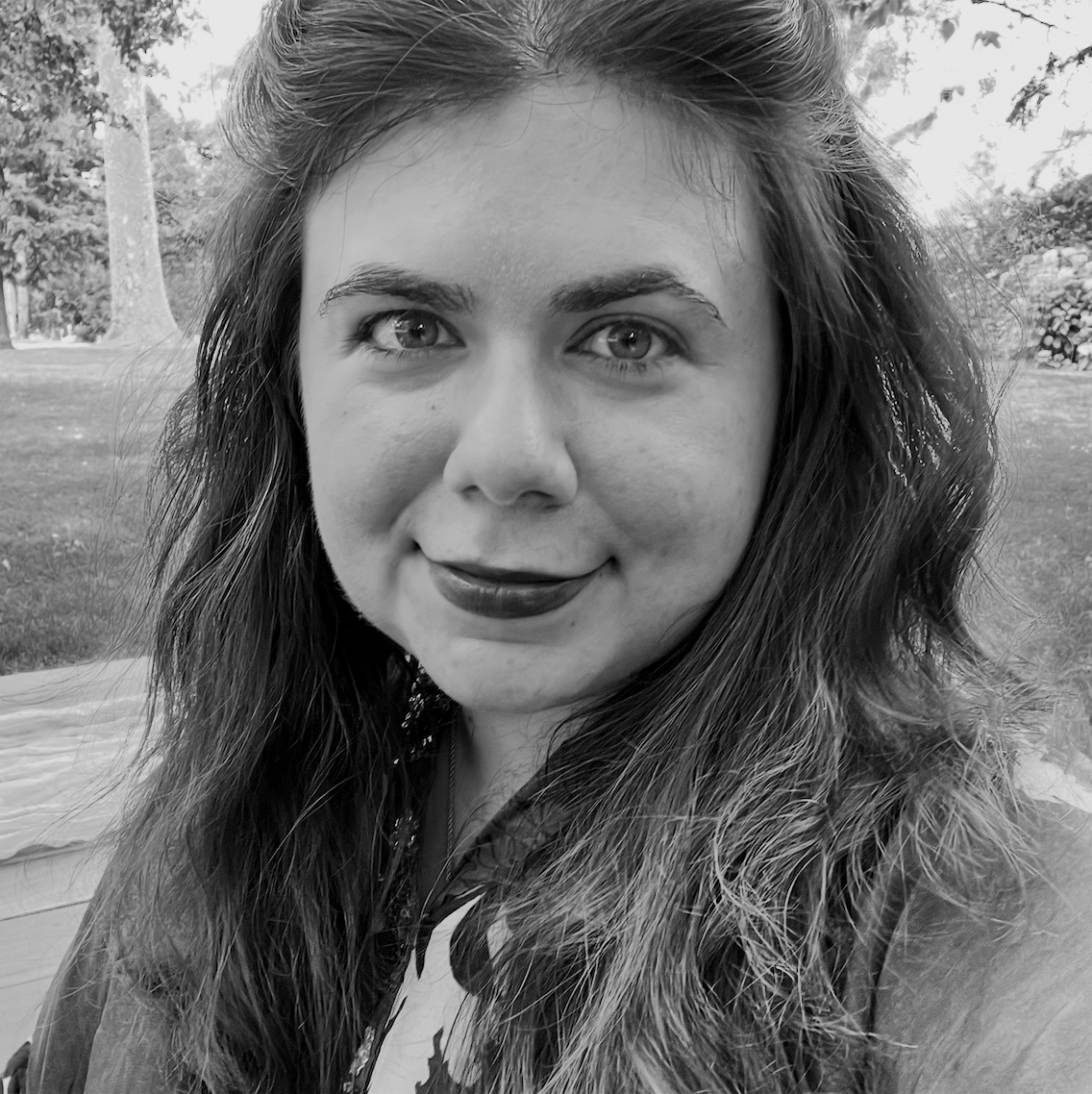
Brianna Simonsen
Communications & Design
Brianna Simonsen is a Melbourne-based Interior Designer who investigates the intersection between the Arts and Interiors through a speculative research approach. Graduating with First Class Honours from Interior Design at RMIT University in 2023, her major project deconstructed ideas around monumentalising and feminism. This work was exhibited in Bates Smart Gallery (2023) and George Paton Gallery, Melbourne University (2025).
In 2024, Brianna joined the Women’s Art Register with the intention to reconnect with a community of artists and to continue the questioning of feminism, and what this means, in different spaces.
-
![]()
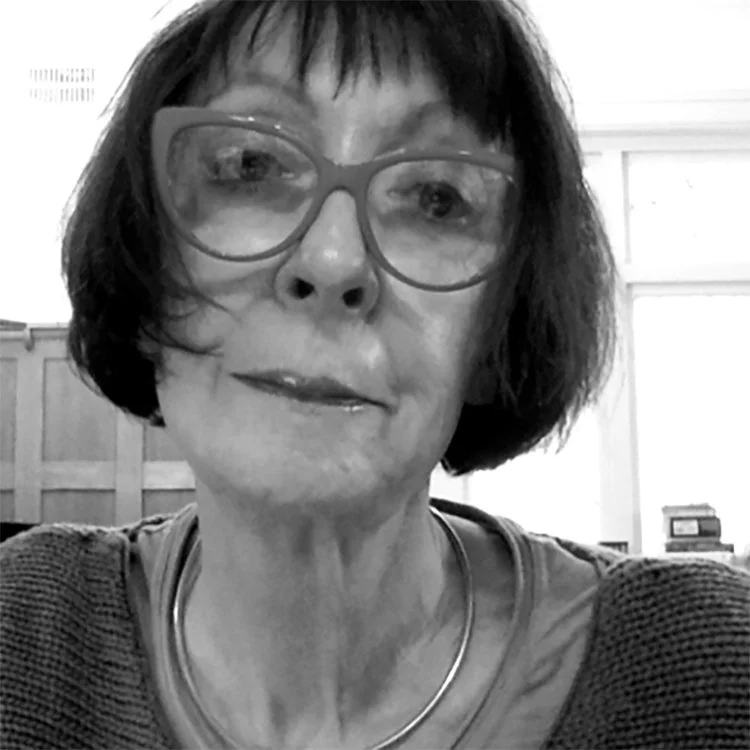
Christina Turner
Treasurer
Christina is a designer-maker with more than 30 years experience in weave design and has been described as ‘a trailblazer in her field’ for being one of the first in Victoria to master the compu dobby loom. Christina would go on to lecture and mentor other students in this instrument; also lecturing in Computer Aided Design and Business Management at RMIT University, Studio Textiles. Currently Christina runs her own studio, producing textile pieces to wear.
Christina was our volunteer bookkeeper for over 16 years and oversaw significant change in technology for book-keeping, sharing her knowledge with committee members along the way. After a two year break she has rejoined the committee. Many W.A.R. programs have benefited from Christina’s participation. Those more recent include the W.A.R. 2015 AS IF: When and Now (member’s exhibition QV centre); 2017 Women in Art Forum (Richmond Theaterette); 2022 W.A.R. stand at the Richmond Festival of Women (North Richmond Housing Estate); 2023 archiving volunteer WARPP project and SAVE AS (NGV as part of Melbourne Now).
-
![]()
Hilary Kwan
Collections Management
Hilary Kwan is an emerging conservator holding a Master of Cultural Materials Conservation and a BA in Anthropology and History from the University of Melbourne. She specialises in object conservation, with a research interest in the collection management and conservation of polymer materials in contemporary art.
Hilary has previously worked at Museum Victoria as an exhibition assistant and interned at the National Trust, Grimwade Conservation Services and the UMSU Archive. Moving from Hong Kong to Melbourne deepened her passion for preserving cultural materials and promoting cultural diversity. Since joining W.A.R. in 2021, Hilary has been managing WAR volunteers and coordinating projects in cataloguing, collection management, preventive conservation, education programs and W.A.R. events.
-
![]()
Karina Miriklis
Co-Secretary and Volunteer Coordinator
Karina is a curator and researcher whose work explores textile history, cultural sustainability, and community engagement through design. She holds a Master of Curating Contemporary Design from Kingston University and the Design Museum London, and a Bachelor of Photography from Photography Studies College Melbourne. With experience across museums, galleries and grassroots organisations in the UK, Australia, and Cyprus, Karina supports inclusive and community-led approaches to collections and cultural heritage. Alongside the Register, Karina also volunteers with the Fashion Heritage Network Cyprus and Heide Museum of Modern Art. She was inspired to join the organisation in 2025, motivated by W.A.R.'s archival history, public programming, and Bulletin journal.
-
![]()
Kirsty Gorter
Chair
Kirsty Gorter has been an exhibiting artist, teacher and unionist for over 50 years. Kirsty’s art practice includes drawing, painting, animation and sculpture. Today most work is mostly 2 and 3 dimensional textiles and found objects. Kirsty has exhibited both nationally and internationally. Kirsty taught full time in Secondary (1981–1994), TAFE and most recently fulltime at RMIT (1994–2022) in the School of Fashion and Textiles. Kirsty has been an active member of teaching unions; most recently as the RMIT AEU Sub-branch president (2006–2022).
Kirsty first joined the Women’s Art Register in 1983; was on the W.A.R. Advisory Committee (1985–1988) & Management Committee (1988–1991); and re-joined the W.A.R. committee as a general member in 2024. Since then as part of the W.A.R. committee she has assisted in archiving and inducting volunteers.
-
![]()
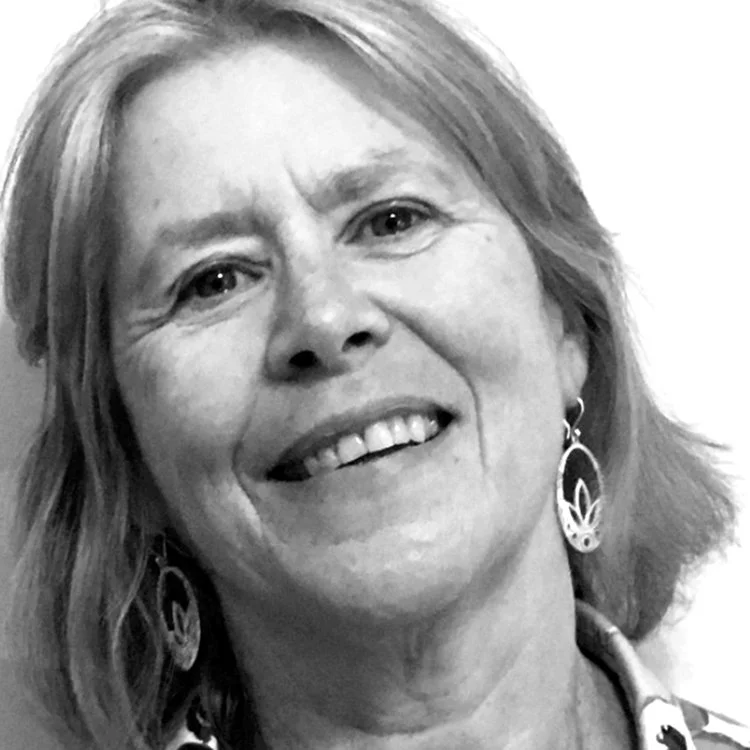
Merren Ricketson
Co-Secretary and Project Development
Merren Ricketson was a sessional educator at the National Gallery of Victoria for over 30 years, working concurrently coordinating W.A.R, co-directing Artmoves and initiating education programs at various galleries including ACCA. She curated Top Arts and managed the Victorian Curriculum and Assessment Authority’s Season of Excellence Festival working with student artists, designers, performers, musicians and filmmakers for over a decade. She then studied Auslan and worked with Deaf artists who provided guided tours in Auslan at the NGV prior to Covid. More recently she devised and delivered education and public tours for the Flesh after Fifty exhibition.
Thank you to our partners & supporters
〰️
Thank you to our partners & supporters 〰️











Frequently asked questions
-
We are located in the Richmond Library in Naarm/Melbourne, Australia.
Anyone is welcome to view the collection by appointment. We require at least one week’s notice. Please make an enquiry here.
-
We are currently working towards having our catalogue available for searching online by the end of 2026, hosted by Victorian Collections.
-
You can find all information about becoming a member or volunteer here.
-
Follow us on Instagram or, if social media isn’t your thing, subscribe to our newsletter to receive the latest news direct to your inbox. We run all ticketed events through Humanitix, so you can also follow us there to receive an alert when we create a new event :)
-
In 1975, following a series of women-only exhibitions and meetings at the George Paton Gallery (University of Melbourne), a meeting was arranged by then-Directors Kiffy Rubbo and Meredith Rogers, and artists Lesley Dumbrell and Erica McGilchrist to discuss setting up an archive of women’s art.
Amidst the energy and activism of that International Women’s Year, the group put a call-out to women artists to each submit two slides of work, received 160 slides in short order, and the Women’s Art Register was born.
-
The original slide collection grew quickly through word of mouth and networking activities such as the Women’s Art Forum. From mid-1977, historical research and the production of slides and educational material was undertaken by artists Anna Sande and Bonita Ely in a project known as the Women’s Art Register Extension Project (WAREP). The two collections were moved to, and merged, at the Carringbush (Richmond) Library in 1979, still our location today.
The collection continues to grow through submissions and donations from our membership and through our programming and outreach activities.
-
The Women’s Art Register has played a major role in public events that celebrate and acknowledge the contribution of Australian women artists. In 1988, a dinner of 1,200 women was organised at the Royal Exhibition Buildings, Melbourne, to accompany the exhibition of Judy Chicago’s A Dinner Party. In 1995 a major exhibition was held at the National Gallery of Victoria as part of the National Women’s Art Exhibition. In 2015 the Register presented the award-winning AS IF: 40 years and beyond, a mini-festival of exhibitions, artist walks and public programming.
In 2025 the Register celebrated 50 years with a large program of events and publishing the anthology Keeping things together: 50 years of the Women’s Art Register. For a full overview of the first 50 years of the Register, purchase the book here.